
Reproductive Health, Infertility, and Pregnancy Loss Counseling in Wilmington, NC
Reproductive and Sexual Health education across the lifespan is essential to building safe and healthy communities. We have to start early and often! Advocate. Educate. Navigate.
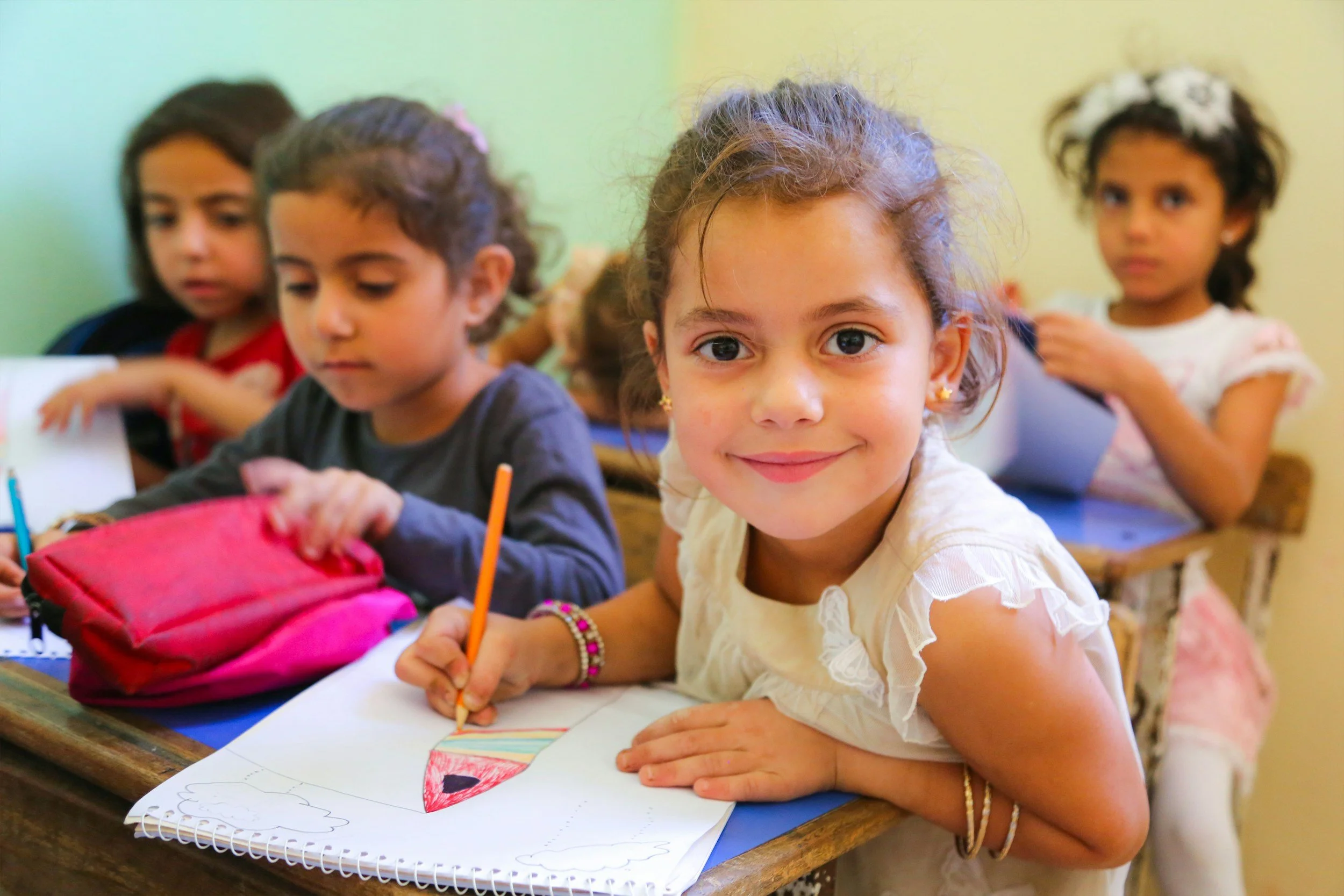
Education!
Windy Ezzell, MA, LCMHC, LPC, AASECT Certified Sex Therapist, provides reproductive and sexual-health counseling for individuals and couples navigating infertility, pregnancy loss, TFMR, birth trauma, postpartum concerns, family-building decisions, relationship strain, and changes in intimacy. In-person counseling is available in Wilmington, North Carolina, with secure telehealth throughout North Carolina, South Carolina, and Georgia.
Reproductive Health mental health specialist, Windy Ezzell is honored to walk daily with folks navigating their reproductive and sexual health journeys. Reproductive and Sexual Health education should begin at birth and continue throughout our development and lifespans! Our bodies, relationships, identities, and health needs never stop developing. At birth, this education begins with respectful caregiving, accurate names for body parts, and the understanding that everybody deserves autonomy and dignity. As children grow, this expands to include privacy, boundaries, consent, puberty, healthy relationships, and how to identify trusted adults. In adolescence and adulthood, healthy development must address fertility, contraception, sexual decision-making, pleasure, pregnancy, infertility, reproductive loss, postpartum recovery, sexual functioning, gender, sexual orientation, and protection from coercion and violence. Later in life, we are still growing, learning, and evolving! Our development includes perimenopause, menopause, embracing changing bodies, chronic illness, disability, intimacy, and the continued right to sexual agency and pleasure. This cannot be one awkward conversation or a single health class! Early, often, and ongoing is a developmentally appropriate process that gives people the language to understand their bodies and communicate what feels safe, what does not, and when something has changed. As a society, most do not receive accurate information, and silence does not leave an empty space. Shame, misinformation, fear, abuse, exploitation, and internet myths quickly fill it!
Early and ongoing education is a community safety practice. People who understand consent are better prepared to respect boundaries; People who recognize concerning symptoms are more likely to seek care before a condition becomes a crisis; People who know how reproductive and sexual health can be affected by trauma, pregnancy, postpartum, loss, hormones, aging, medication, disability, and relationships are less likely to blame themselves or suffer in silence. Knowledge gives us clarity and language that allows us to speak up about our life experiences. When we freely speak and educate around bodies, health, and experiences, we can naturally support questions, protection, treatment, and changes. This is especially important for people whose pain has historically been minimized or whose bodies have not been treated as credible sources of knowledge. We educate so people can understand what is happening. We advocate so they know their health, safety, and pleasure matter. We help navigate so they can identify where to go, what to ask, and what to do next. Knowledge is power, but only when it is accurate, accessible, inclusive, and offered without shame. If we want safer, healthier, and more compassionate communities, then reproductive and sexual health education cannot begin only when something goes wrong. It must begin early, happen often, and remain available from birth through 100! To schedule with Windy throughout Georgia, North Carolina, and South Carolina, email her directly via windy@innersolutionscounseling.com or Call 910-256-3784.